
Brain & Spine Tuberculosis Treatment in Kanpur requires timely diagnosis and expert neurological care, as tuberculosis affecting the brain and spinal cord can lead to serious and life-threatening complications. Unlike pulmonary TB, central nervous system tuberculosis often presents with subtle neurological symptoms that may worsen rapidly if ignored. Under the expert care of Dr Abhishek Sachan, patients in Kanpur receive accurate diagnosis, advanced treatment, and long-term management for brain TB, spinal TB, and TB meningitis.
Choosing the right specialist for Brain & Spine Tuberculosis Treatment in Kanpur is crucial, as CNS tuberculosis demands long-term, closely monitored medical therapy. Under the supervision of Dr Abhishek Sachan, patients receive personalized treatment plans based on disease severity and neurological involvement.
What Is Brain & Spine Tuberculosis?
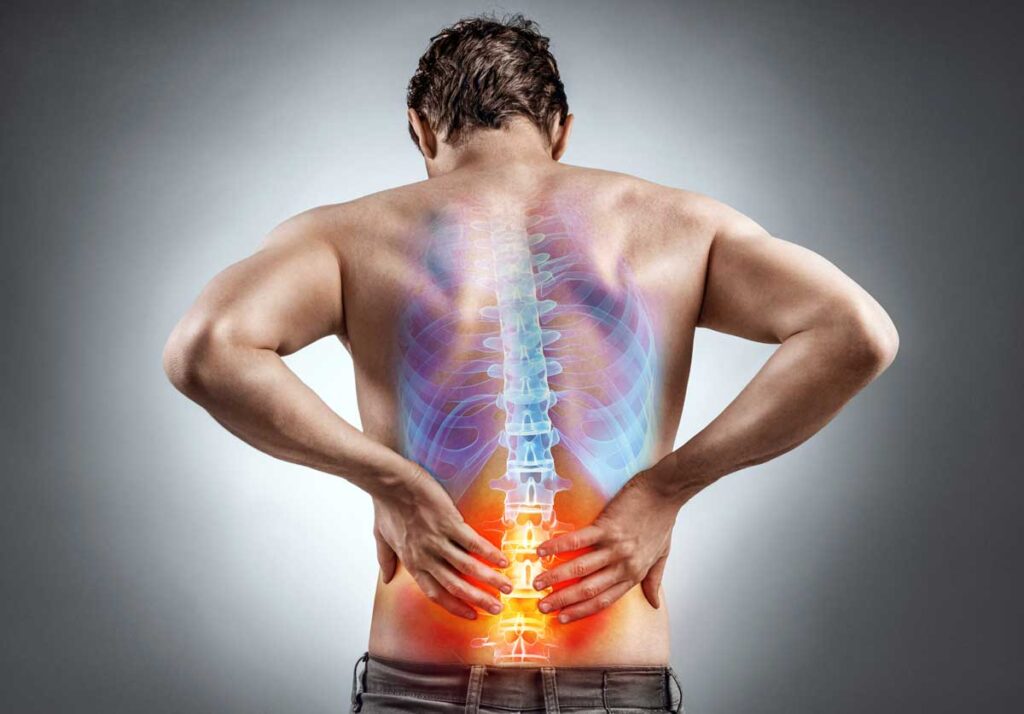
Brain and spine TB refers to tuberculous infection of the central nervous system — affecting the meninges (the protective layers around the brain and spinal cord), the brain tissue itself, or the vertebrae and spinal cord. The most common forms include:
- Tuberculous Meningitis (TBM): Infection of the brain’s protective membranes.
- Tuberculomas: Focal tubercular lesions within the brain.
- Spinal TB (Pott’s Disease): TB infection of the vertebrae leading to bone destruction and neurological complications.
This form of TB is extrapulmonary and carries a high risk of severe complications if not treated promptly and appropriately.
Recognizing the Symptoms
Early recognition can make a dramatic difference in outcomes for CNS-TB. Symptoms vary depending on whether the brain or spine is involved:
Brain TB Symptoms
- Persistent headache
- Fever and night sweats
- Neck stiffness and sensitivity to light
- Nausea or vomiting
- Confusion or change in mental status
- Seizures or focal neurological deficits
Spinal TB Symptoms
- Chronic back pain that worsens with time
- Stiffness in the back
- Local tenderness over the spine
- Neurological symptoms such as weakness, numbness, or problems with bladder function
Because these symptoms can resemble other neurological conditions, it’s crucial to consult an experienced specialist like Dr Abhishek Sachan for proper evaluation and early diagnosis.
Why Early Diagnosis Matters
CNS-TB progresses slowly but can become life-threatening. Without prompt treatment, tuberculous meningitis may be fatal within weeks or can lead to permanent neurological damage such as paralysis, vision loss, or cognitive impairment.
Dr Sachan emphasizes the importance of early detection through a combination of patient history, clinical examination, imaging studies such as MRI, and laboratory analysis of cerebrospinal fluid (CSF). These tests help confirm the diagnosis and differentiate TB from other causes of meningitis or spinal inflammation.
How Brain & Spine TB Is Diagnosed
Diagnosis of CNS TB requires a detailed clinical and investigative approach:
- Medical History & Physical Examination
Neurological symptoms are assessed in detail. - Imaging Studies
MRI and CT scans of the brain and spine are vital for identifying lesions, abscesses, or vertebral destruction. - CSF Analysis
Lumbar puncture to examine cerebrospinal fluid may show characteristic changes and help identify the infection. - Molecular Tests
Tests like GeneXpert MTB/RIF help detect TB bacteria and resistance patterns.
Because TB bacteria can be hard to culture in CSF, diagnosis often requires a clinical and radiological correlation rather than relying on a single test result.
Treatment Overview: How CNS-TB Is Managed
1. Antitubercular Therapy (ATT)
The cornerstone of treatment is long-term antitubercular medications, which aim to eradicate the infection:
- Intensive phase: A 4-drug regimen — Isoniazid, Rifampicin, Pyrazinamide, and Ethambutol — for the first 2 months.
- Continuation phase: Isoniazid and Rifampicin for additional 7–10 months.
- Overall, treatment usually spans 9–12 months or longer depending on clinical response.
Adherence to this regimen is essential for effective cure and to prevent drug resistance.
2. Adjunctive Corticosteroids
In brain TB (especially TB meningitis), corticosteroids like dexamethasone are often administered alongside ATT to reduce inflammation and cerebral edema.
3. Monitoring & Supportive Care
Frequent follow-up is crucial to monitor side effects, adjust medication doses, and assess neurological progress. Supportive therapies including nutrition optimization, physiotherapy, and rehabilitation play a role in recovery, especially in cases with neurological deficits.
4. Surgery (When Necessary)
Some patients with spinal deformity or large abscesses compressing nerves may require surgical intervention to stabilize the spine or decompress the cord. Timely surgical care can prevent irreversible paralysis.
Why Choose Expert Care in Kanpur
Brain and spine TB is complex and requires multidisciplinary expertise — involving neurology, infectious diseases, radiology, and sometimes neurosurgery. In Kanpur, patients benefit from specialists who combine advanced diagnostic tools with empathetic patient care.
Meet Dr Abhishek Sachan
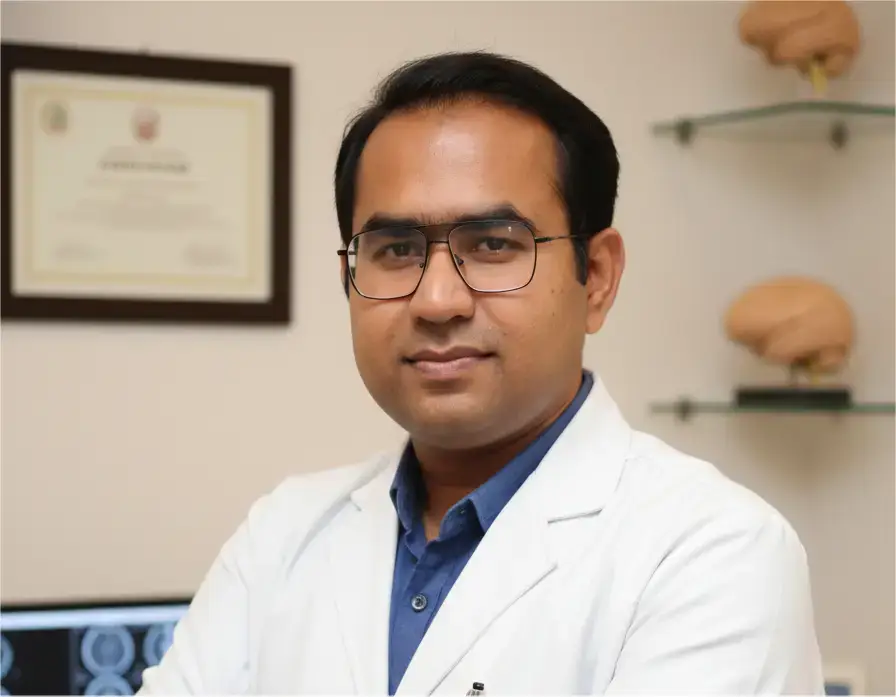
Dr Abhishek Sachan is a leading neurologist in Kanpur with extensive experience in diagnosing and managing neurological infections like tuberculous meningitis and spinal TB. With years of practice and deep understanding of neurological disorders, Dr Sachan guides patients through a personalized treatment journey — from early detection to long-term management.
His clinic at Hope Neuro Care Centre provides comprehensive neurological services including evaluation, imaging coordination, drug therapy supervision, and rehabilitation planning.
Patient Experience: What to Expect
Visiting a specialist like Dr Sachan typically involves:
- Detailed consultation and neurological assessment
- Review of diagnostic imaging (MRI/CT)
- Lumbar puncture or advanced lab tests if needed
- Personalized ATT protocol
- Regular follow-ups to track progress
Patients and families are educated on symptom monitoring, medication adherence, and preventive strategies to ensure the best possible outcomes.
Lifestyle and Preventive Tips
In addition to medical treatment, patients can support recovery by:
- Maintaining a healthy diet rich in proteins and essential nutrients
- Completing the full course of ATT even if symptoms improve
- Watching for drug side effects such as jaundice or visual changes
- Staying hydrated and following physician guidance closely
Brain and spine tuberculosis are severe forms of TB that demand immediate attention. With the right specialist like Dr Abhishek Sachan in Kanpur, comprehensive care is within reach. Equipped with the latest diagnostic methods and evidence-based treatment protocols, patients can significantly improve their chances of recovery and return to a healthy life.
If you or your loved one is seeking reliable Brain & Spine Tuberculosis Treatment in Kanpur, early consultation with an experienced neurologist like Dr Abhishek Sachan can significantly improve recovery and prevent long-term complications.